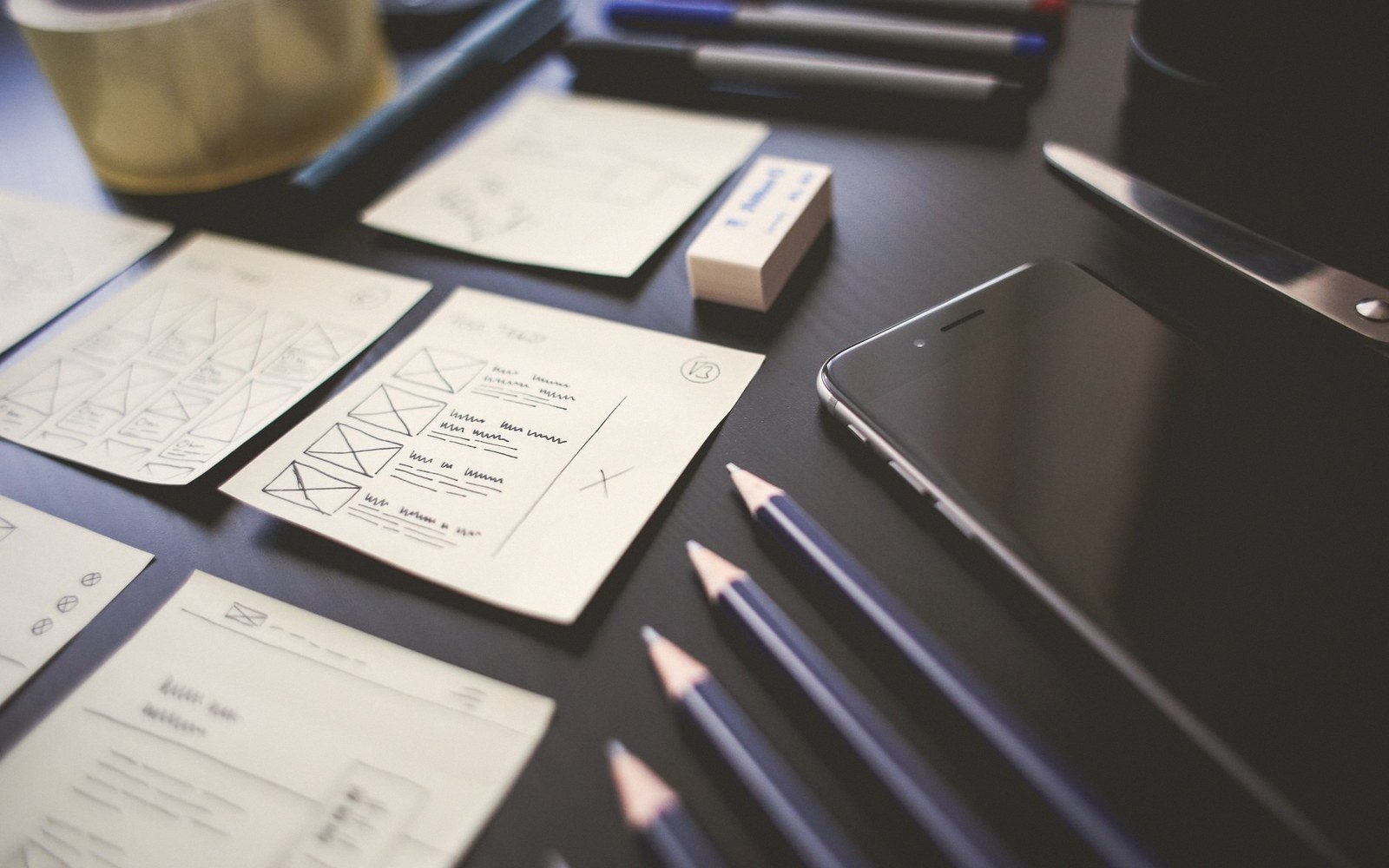
The count that will not hold still
Every seating plan is a snapshot of a number that is still moving. You draw it, then someone emails to say they are coming after all, then someone else pulls out, and the arrangement you spent two evenings on no longer adds up. This is not a failure of planning. It is the structure of the problem.
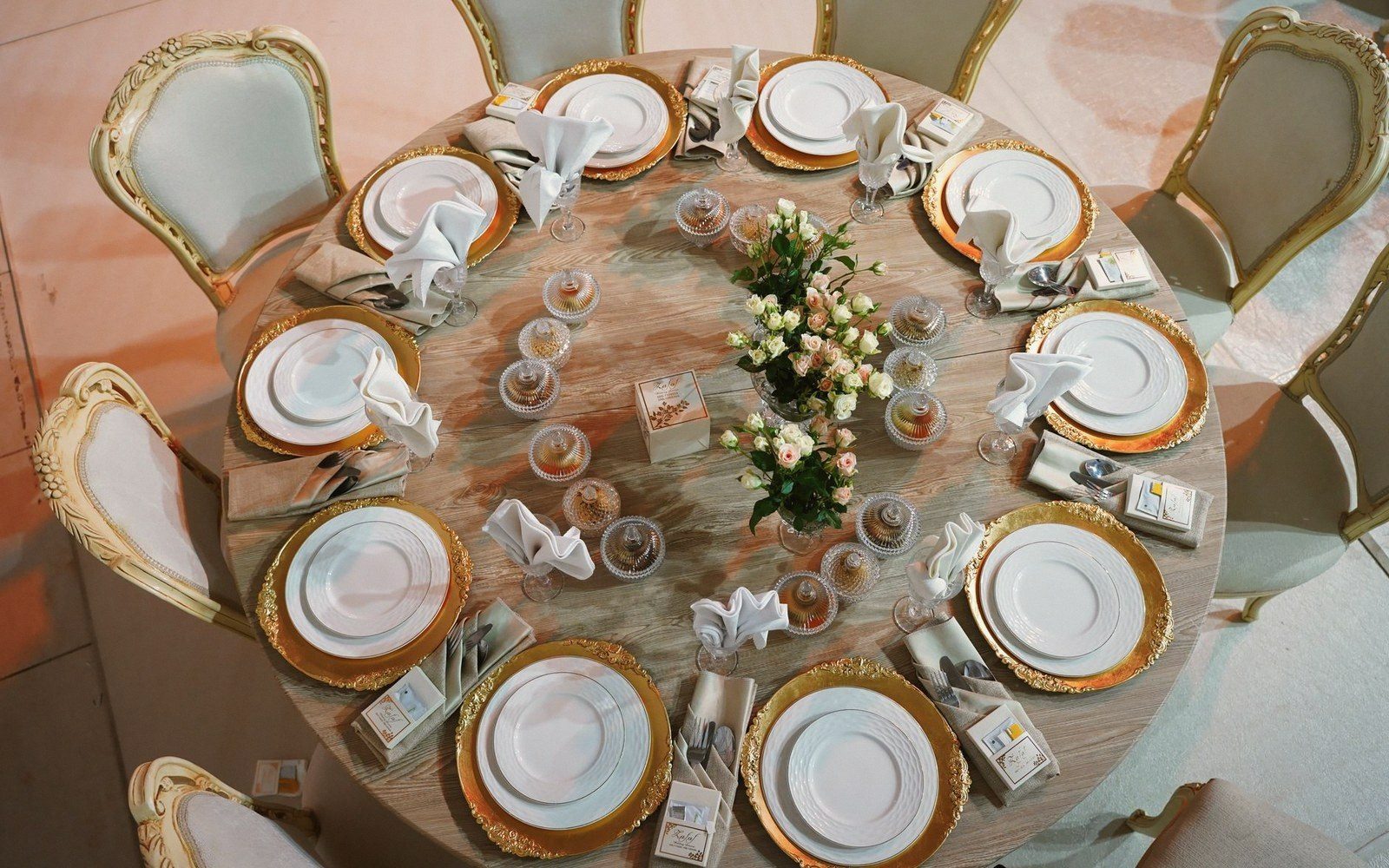
The gap between the first draft and the final number is predictable enough to deserve a name. Acceptances drift. A "yes" given in February can quietly become a "so sorry" in April, and a "we'll try" can harden into a definite by May. The guests, meals and chairs count — the three numbers that are never the same as each other — keeps shifting at every stage, and the seating plan is the thing that has to absorb every revision.
The practical answer is obvious once you say it: keep the plan in a form that can be changed without being rebuilt. On paper, that means pencil. In a spreadsheet or diagramming tool, that means never treating any layout as finished until the caterer's cut-off has passed. The caterer's deadline fixes the meal count; the venue's room set fixes the chair count; the plan locks only when both of those have closed and not before.

What this means structurally is that tables near the edge of the plan — those holding the most socially flexible guests — should be the last ones you finalize. Keep the awkward constraints solved early: the connected groups that cannot be split, the feuds that set forbidden edges. Those are load-bearing. The remaining seats can stay provisional because the guests filling them are the ones whose attendance is still in play.
It also means leaving a small buffer of unassigned seats in the layout, not from indecision but from arithmetic. A plan set for exactly the expected count breaks the moment one late acceptance arrives. One empty chair per ten at a table costs almost nothing and buys real flexibility.
The instinct is to finish the plan and feel done with it. The count punishes that instinct reliably. Draw the structure, commit the constraints, and hold the rest loosely. Pencil is not a sign that you are not ready. It is a sign that you understand what you are actually planning.