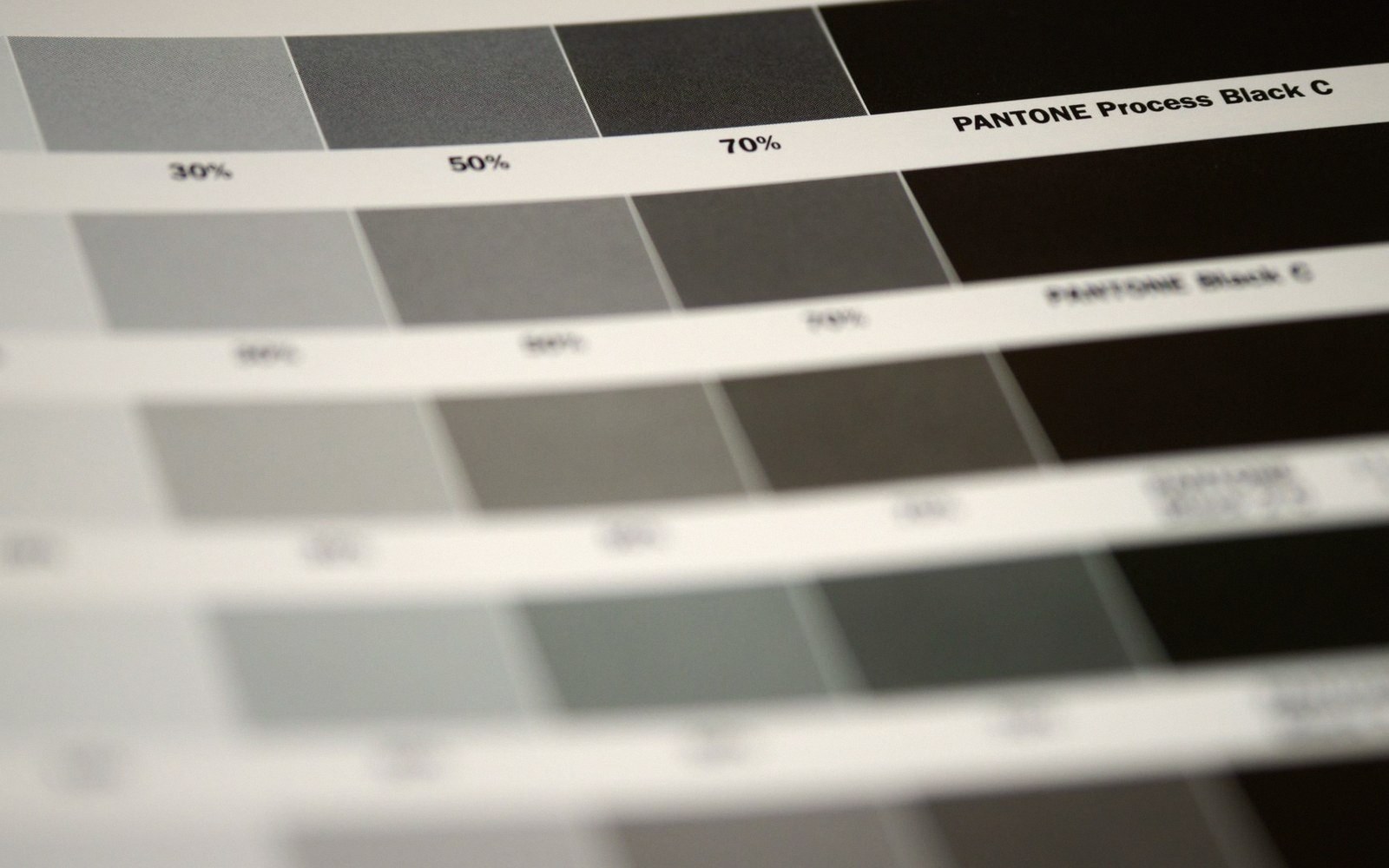
The Stock Is the Variable
Digital proofs — PDF on screen, JPEG in an email — are useful for catching typos and checking that the ampersand hasn't swapped itself for a question mark. They tell you nothing about colour. Screens emit light; paper reflects it. The same value in the same file will read differently on coated stock, uncoated stock, cotton rag, or recycled pulp, and none of those readings will match what you saw on the monitor.

A physical proof matters, and a physical proof on the correct stock is the only proof that counts.
Paper does three things to ink. It absorbs it, at a rate governed by how porous the surface is. It shifts its hue, because the paper itself has a colour — warm cream, cool white, faintly grey — that interacts with whatever sits on top. And it determines how much the dot spreads: ink on an uncoated, absorbent sheet bleeds fractionally outward from where it lands, which means fine lines look slightly heavier and small type appears denser than the same file run on a coated stock where the surface seals the dot in place.
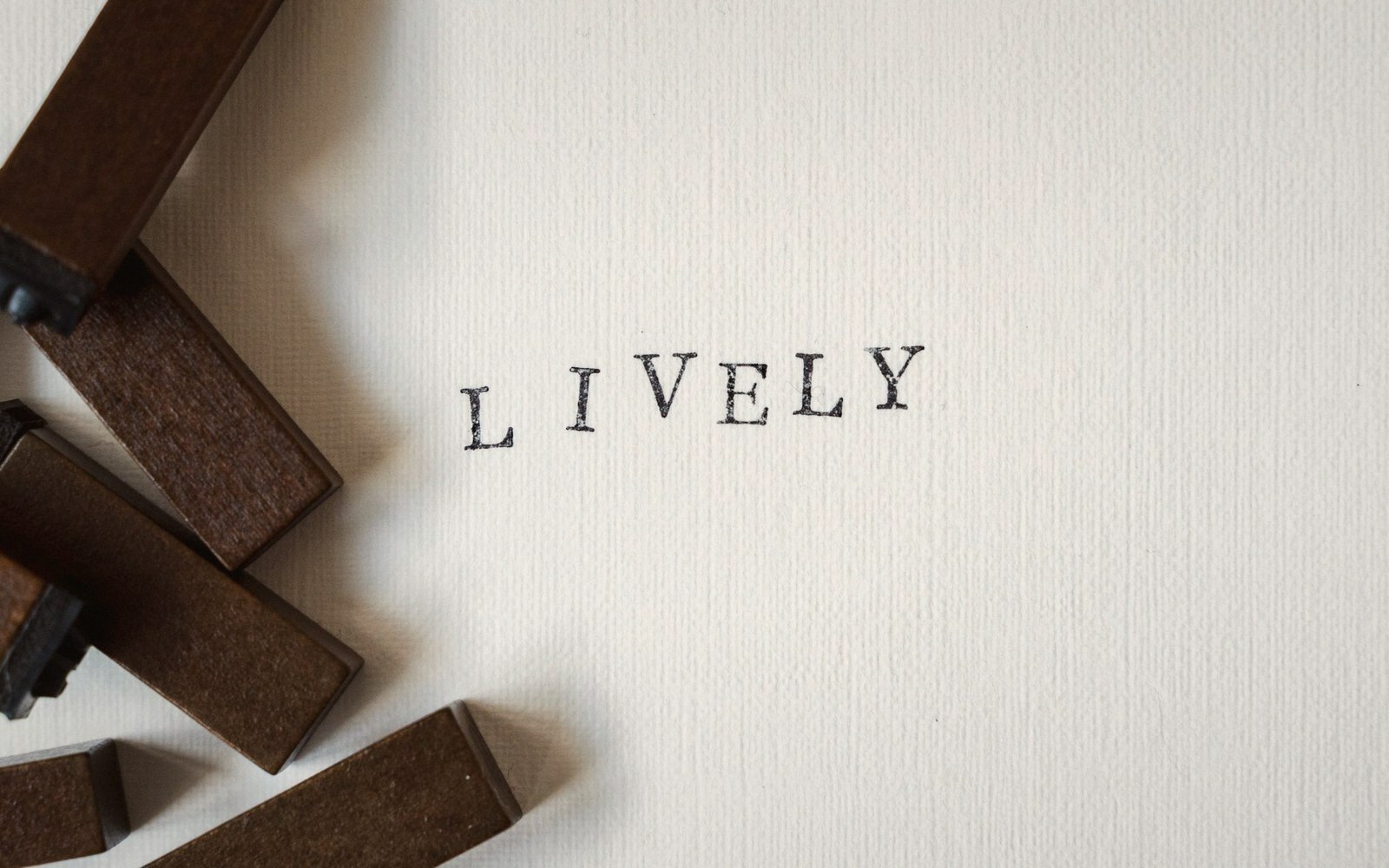
The practical consequence is this. If you approve a proof on the printer's standard coated house stock but your invitations are being printed on a thick, textured, warm-white uncoated sheet, the approved proof and the delivered stationery will be noticeably different. Ivory-leaning papers drag any colour toward yellow. Cool whites push type into higher contrast. A blush pink specified in the file will arrive somewhere between terracotta and the palest nude depending on which of these surfaces receives it.
Ask, explicitly, for a proof on the actual stock scheduled for the job. Some print shops pull this from the same batch as the production run; others hold samples for exactly this purpose. If the printer is ordering a specialty paper, the proof should wait until that stock is in house. A proof printed while the printer is still waiting for the ordered sheet — run on whatever is available to keep things moving — is a placeholder, not an approval document. Sign it if you must to acknowledge artwork is correct; do not sign it as a colour approval.
One further detail: if your stationery spans multiple pieces — invitation, envelope, information card, RSVP card — and those pieces differ in weight or finish, each needs its own proof. A 350 gsm uncoated invitation card and a 120 gsm smooth envelope liner are not the same surface. The ink will not behave identically on both, and approving one does not cover the other.
The proof is a commitment from both sides. Make sure it's made on the right material.