
The table that isn't like the others
Most tables get built by affinity: people who know each other, or can be reasonably expected to get along, grouped together. The top table is built by role. Whoever sits there sits there because of who they are to the couple, not because they particularly want to sit together. That's the origin of almost every problem it causes.
The traditional line-up — both sets of parents, the best man, the chief bridesmaid — can easily seat eight or ten people who have little in common except the couple themselves. Divorced parents may not be on speaking terms. Step-parents complicate the arithmetic immediately: one seat added means the other side expects symmetry, and suddenly you're at twelve. The table faces the room, which means the body language of anyone who's uncomfortable is visible to everyone who isn't. The stakes of getting it wrong are unusually high.
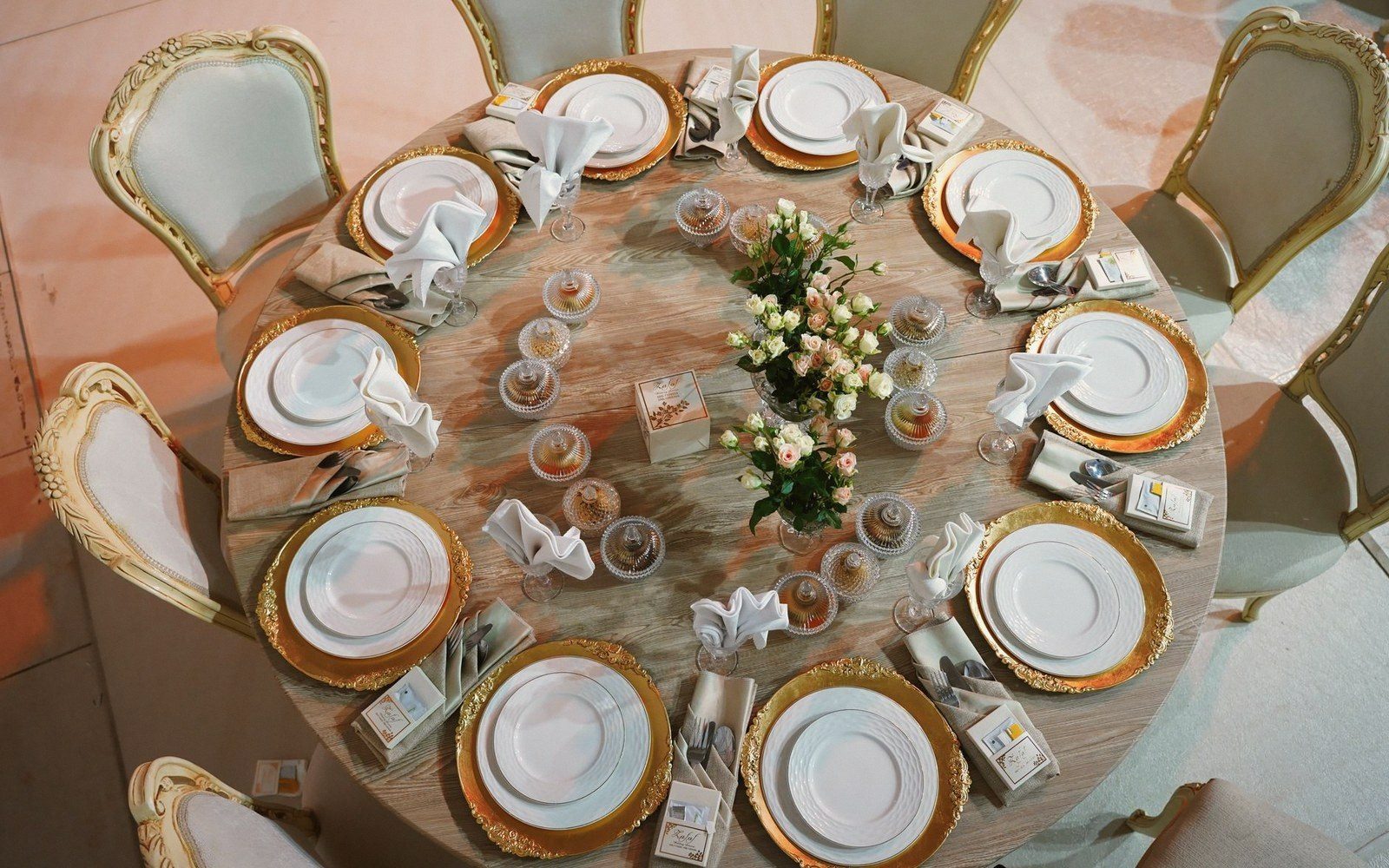
What makes it a graph problem rather than a feelings problem is the knock-on. The top table is usually the longest, or the most prominently placed, which means its chair count sets a physical constraint on the room layout before a single other table is positioned. If it runs to fourteen, that's fourteen chairs of service priority, fourteen meals confirmed to the kitchen on a fixed order, and a clear sightline eaten up that might have served two round tables of eight instead.
Some couples sidestep it entirely — a sweetheart table for two, with parents absorbed into the main room by family group — and this genuinely solves the interpersonal problem. It doesn't dissolve the logistical one: wherever the couple sit becomes the effective top table for service and photography purposes, it just moves the special-case somewhere less visible.

The honest question to ask early is whether the table is there because it serves someone, or because it has always been there. The seating plan is a graph, and the top table is its most constrained node. Solve it first, before the rest of the room fills in around an assumption nobody examined.