
The Graph Has a Breaking Point
Every seating plan is, at its core, a constraint-satisfaction problem. You have tables, you have guests, and you have edges — required ones (these two must sit together) and forbidden ones (these two must not). Most plans, with a bit of patience, resolve. Some do not. The constraints are mutually exclusive, and no arrangement satisfies all of them simultaneously. That is the unsatisfiable edge: not a difficult placement, but a logically impossible one.
The clearest version involves a triangle. Guest A cannot sit near Guest B. Guest B cannot sit near Guest C. Guest C cannot sit near Guest A. Three people, three mutual prohibitions, and you have only round tables of eight. Put all three on different tables and you may resolve it — unless those three tables are already locked by other required groupings, or the room only has two tables at that size. Suddenly the triangle has nowhere to go. The problem is not the guests; it is the topology.
It surfaces in other forms too. A required group of eleven that connected components logic tells you must stay contiguous, on a floor plan that offers no table larger than ten. Or a pair who must be seated together because one is the other's carer, both of whom have separate, incompatible forbidden-edge relationships with the same third party — who must, for entirely different reasons, sit at the top table. The constraints form a loop the graph cannot close.
The reason to find this early is simple: the solution is almost never a seating fix. It is a conversation — usually an uncomfortable one — about whether one of the constraints can be softened or whether the problem belongs to a guest who should know there is a problem. Seating software will spin on an unsatisfiable input indefinitely, surfacing nothing more useful than an incomplete plan. A human looking at the constraint list can spot the loop in minutes, provided the list is complete and honest.
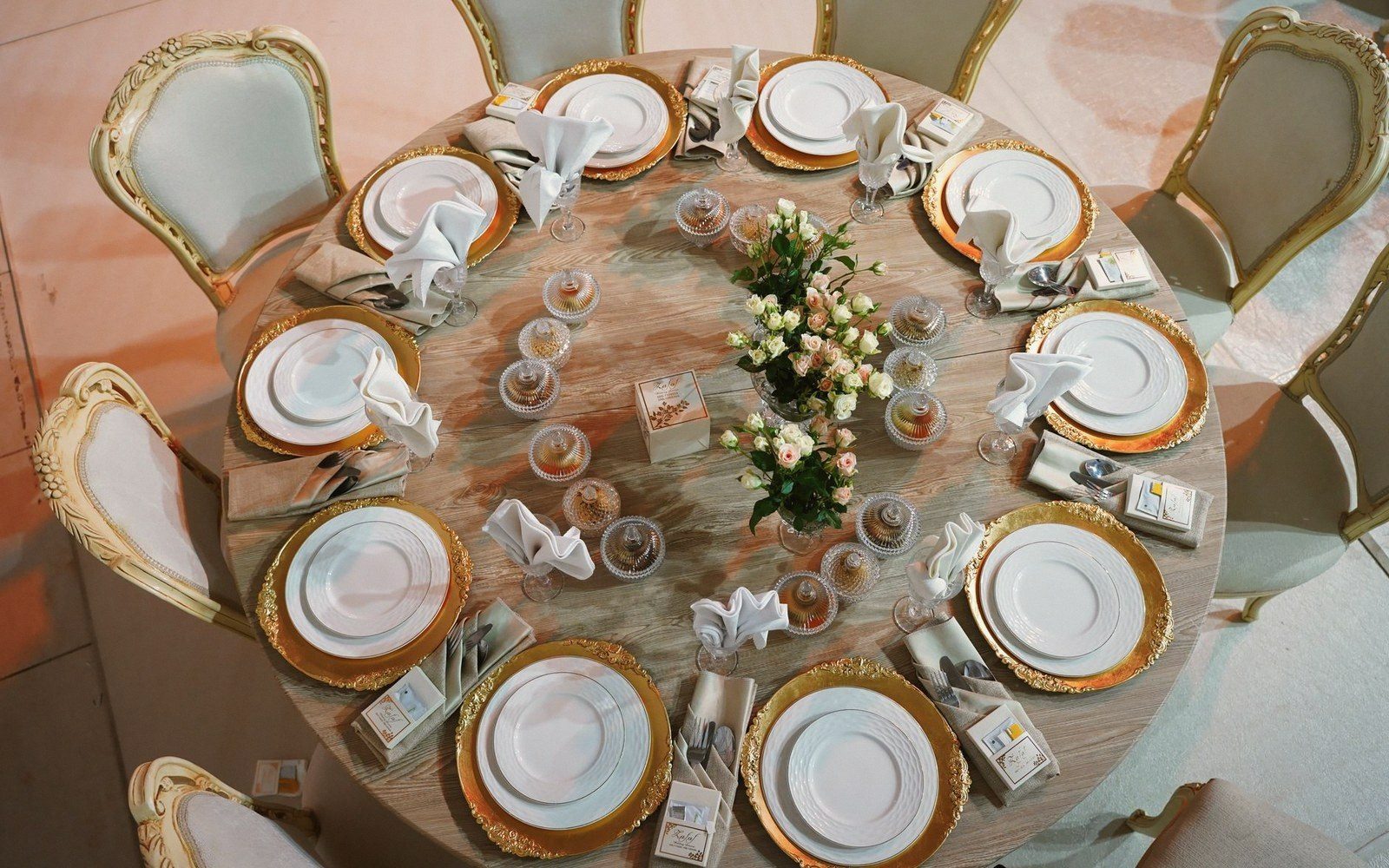
Completeness is the hard part. Couples often absorb constraints on behalf of guests, smoothing over the source rather than stating it plainly: "they don't really get on" instead of "they have not spoken since a specific incident and one has said they will leave if seated near the other." Vagueness hides loops. When you plan in pencil and treat every constraint as a named edge — written down, reviewed against every other named edge — impossible configurations announce themselves before any chair is set. That is the only way to know whether you are solving a hard puzzle or a broken one.